Integrating Responsible Gambling Features into Everyday Sports and Casino Activities on Swedish Platforms
Skriven av Noah Schmitt · 2026-08-23
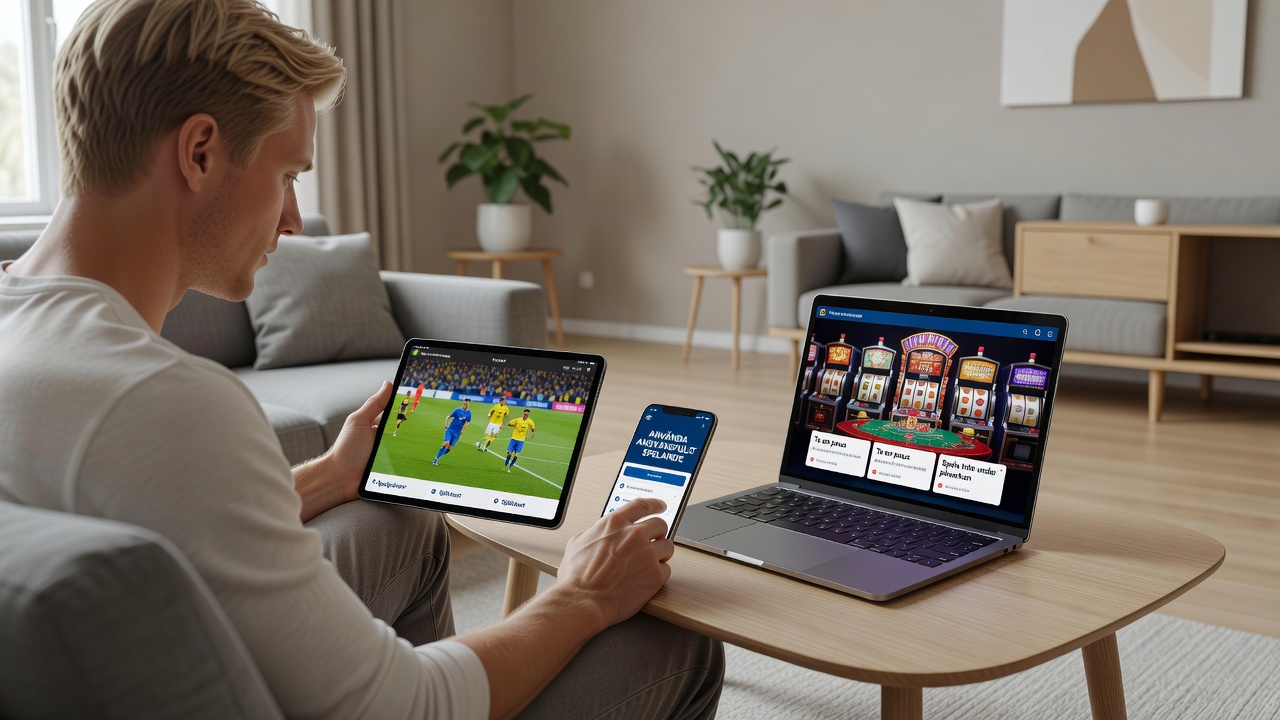
Integrating Responsible Gambling Features into Everyday Sports and Casino Activities on Swedish Platforms
Swedish platforms have incorporated responsible gambling features directly into routine sports betting and casino sessions since the 2019 re-regulation of the market, and operators continue to refine these tools as player data accumulates. The Swedish Gambling Authority oversees these integrations, requiring licensed sites to embed deposit limits, session reminders, and self-exclusion options within standard user flows rather than as separate menus that players might overlook.
Regulatory Framework Driving Feature Integration
Swedish law mandates that every licensed operator display real-time spending trackers and loss-limit prompts during both sports wagers and casino rounds, while the Public Health Agency of Sweden collects annual prevalence data that shapes further refinements. Observers note that these requirements apply uniformly across desktop and mobile interfaces, so a user placing a live football bet encounters the same limit-setting panel that appears when spinning slots. Data from Spelinspektionen shows that platforms updated their systems in 2023 to include reality-check pop-ups every 30 minutes, and similar adjustments appear on track for August 2026 when the authority plans to review compliance across all active licenses.
Deposit and Session Tools in Daily Sports Betting
Sports betting interfaces on Swedish sites prompt users to set daily, weekly, or monthly deposit caps before any stake is placed, and these caps reset automatically while remaining visible in the account dashboard. A player who reaches 80 percent of a chosen limit receives an on-screen notification that includes one-click access to extend or tighten the restriction, yet the system blocks further deposits once the cap is hit. Researchers at Stockholm University documented that such prompts reduced average session lengths by measurable margins in controlled platform trials, and the same study tracked how live-betting users who activated loss limits placed fewer impulsive wagers during high-stakes matches. External links appear sparingly, yet operators often reference guidance from Spelinspektionen directly inside the help sections that accompany these tools.
Casino Activity Controls and Self-Exclusion Options
Casino lobbies integrate similar controls, displaying time-elapsed counters alongside balance updates so users see both wins and losses without switching screens. Automatic pauses trigger after one hour of continuous play, requiring an explicit confirmation to resume, and players who opt for temporary self-exclusion through Spelpaus.se find their accounts locked across every licensed Swedish operator within minutes. Those who study gambling patterns report that voluntary exclusion periods chosen during casino sessions tend to last longer than exclusions initiated from sports pages, possibly because casino environments encourage longer continuous engagement. Platforms also offer reality-check summaries that list total bets, net results, and time spent since login, data that users can export for personal review or share with support staff if they seek additional guidance.

Cross-Activity Data Sharing and Personalization
Swedish regulations permit operators to share aggregated player data across sports and casino products so that a single risk profile informs feature activation for both verticals. When an algorithm detects elevated bet frequency on either sports markets or slot games, the system may surface personalized messages suggesting a cooling-off period or a temporary reduction in maximum stake size. Figures released by the Swedish Public Health Agency indicate that roughly 4 percent of active accounts used at least one responsible gambling tool in 2024, and the same report projects continued growth through 2026 as mobile notifications become more granular. Operators test these notifications in small user cohorts before wider rollout, ensuring the language remains neutral and the timing avoids interrupting winning streaks that could reduce message effectiveness.
Emerging Developments Expected by August 2026
Preparations for the August 2026 compliance review include pilot programs that link responsible gambling dashboards to external financial apps, allowing users to compare gambling spend against overall household budgets without leaving the platform. Early tests show that such integrations increase the likelihood that players adjust limits proactively rather than reactively. Academic papers from Lund University further examine whether AI-driven alerts based on behavioral markers can outperform static time-based reminders, and preliminary results suggest modest improvements in voluntary limit adjustments among frequent users. These developments build on existing infrastructure rather than replace it, maintaining continuity for players already accustomed to the current set of tools.
Conclusion
Swedish platforms continue to embed responsible gambling features into the core experience of sports and casino play through mandatory limits, session reminders, and cross-operator exclusion systems. Regulatory updates scheduled around August 2026 will likely refine notification timing and data-sharing protocols, yet the foundational approach remains consistent: tools appear within everyday betting and gaming flows so that players encounter them as standard elements rather than optional extras. Data collected by government agencies and independent researchers tracks usage patterns and informs incremental adjustments without altering the requirement that every licensed site maintain these safeguards.